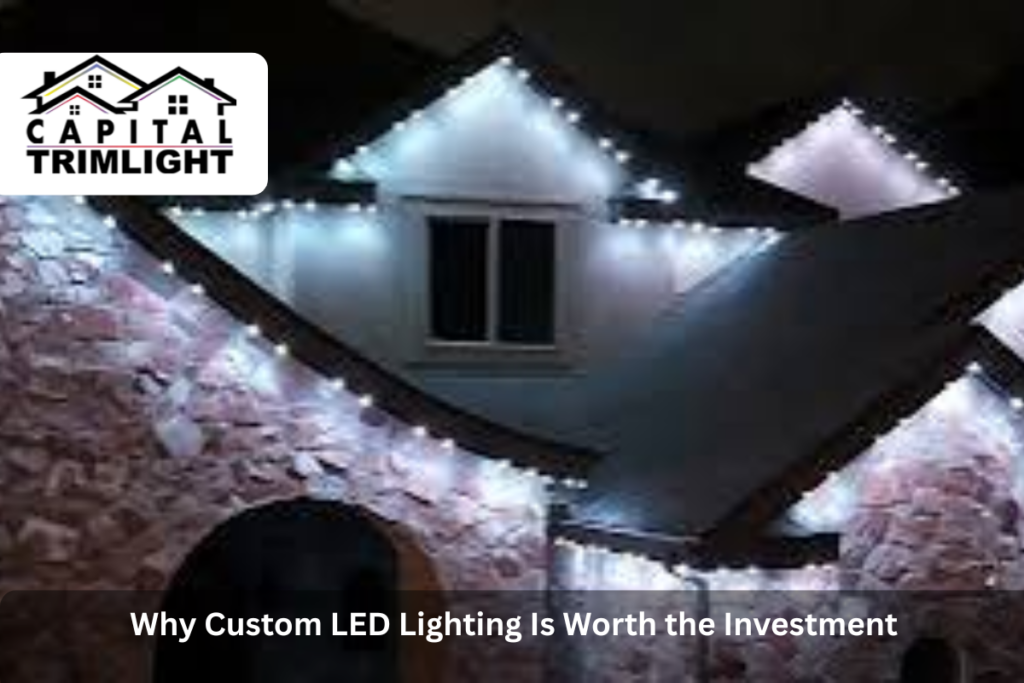
The outside of your home is the first thing people notice. Whether you’re welcoming guests, improving your property’s appearance, or thinking about selling, a well-maintained exterior can make a big difference. One simple way to improve your home’s appearance is through architectural outdoor lighting.
Architectural lighting highlights the features that make a home unique. It can draw attention to rooflines, illuminate walkways, highlight landscaping, and make outdoor spaces more inviting after sunset. With the right design, outdoor lighting can give your property a polished appearance without requiring major renovations.
For homeowners in Northern Virginia, including Centreville and surrounding communities, permanent outdoor lighting is also a practical way to enjoy attractive lighting throughout the year. Here’s how architectural outdoor lighting can improve curb appeal, support home value, and make your property more enjoyable.
What Is Architectural Outdoor Lighting?
Architectural outdoor lighting uses carefully positioned lights to highlight a building’s design and surrounding features. Instead of simply illuminating the entire exterior, the goal is to create a balanced look that brings attention to specific details.
Common examples include:
- Roofline lighting that outlines the shape of a home
- Wall lighting that highlights exterior textures
- Pathway lighting that illuminates walkways and entrances
- Landscape lighting that draws attention to trees, plants, and garden features
- Accent lighting that highlights columns, stonework, and architectural details
- Permanent LED lighting that can be customized for different occasions
The best lighting designs combine appearance and functionality. They help your home look attractive at night while making important outdoor areas easier to navigate.
1. Creates a Strong First Impression
Curb appeal plays an important role in how people perceive a property. A home with a clean exterior, attractive landscaping, and well-planned lighting can look more welcoming than a similar property with a dark or poorly illuminated entrance.
Architectural outdoor lighting helps create that first impression by drawing attention to the home’s most appealing features.
For example, lighting along the roofline can emphasize the home’s shape, while carefully positioned lights near the entrance can make the front door stand out. Soft lighting around landscaping can add depth and make the exterior look more complete.
You don’t necessarily need a complicated lighting setup to make a difference. Even a few strategically placed lights can improve the appearance of your property after dark.
2. Highlights Your Home’s Architectural Features
Every home has details that contribute to its character. These might include stone columns, decorative trim, textured walls, roof peaks, or a distinctive entrance.
During the day, natural light makes these features easy to see. At night, many of them disappear into the darkness.
Architectural lighting brings those details back into view. For example, lighting positioned near a stone facade can highlight its texture, while roofline lighting can emphasize the home’s overall shape.
The key is choosing lighting that complements your home’s design rather than overwhelming it. A balanced layout can make the exterior look more refined without creating excessive brightness.
3. Makes Your Property Look More Attractive at Night
A home’s appearance shouldn’t be limited to daylight hours. Outdoor lighting allows you to enjoy your property’s exterior in the evening and creates a more inviting atmosphere for visitors.
A softly illuminated entrance, visible roofline, and well-lit landscaping can make a property feel more finished. Lighting can also help connect different exterior elements, creating a consistent look across the front of the house.
For homeowners who enjoy spending time outdoors, the right lighting can make patios, decks, and other outdoor spaces more appealing after sunset.
The result is an exterior that looks thoughtfully designed throughout the day and evening.
4. Can Support Your Home’s Market Appeal
If you’re planning to sell your home, curb appeal can influence how potential buyers view the property.
A well-presented exterior helps buyers form an initial impression before they even step inside. Outdoor lighting can contribute to that impression by highlighting the home’s design and making the entrance easier to see during evening viewings.
It can also help a property stand out in listing photographs taken around dusk or at night, provided the lighting is attractive and not overly bright.
However, it’s important to understand that outdoor lighting does not guarantee a higher sale price. Its impact depends on the local market, the property’s condition, buyer preferences, and the quality of the installation.
Rather than viewing lighting as a guaranteed financial return, consider it one part of a broader effort to maintain and improve your home’s exterior.
5. Improves Visibility Around Entrances and Walkways
Outdoor lighting isn’t only about appearance. It can also make your property easier to navigate after dark.
Lighting near steps, walkways, driveways, and entrances helps people see where they’re going. This can be particularly useful when guests arrive in the evening or when family members return home after sunset.
Good lighting should provide enough visibility without creating glare. Lights that are too bright or poorly positioned can make it harder to see, so placement matters just as much as brightness.
For the best results, combine decorative lighting with appropriate illumination in areas where people regularly walk.
6. Adds Flexibility With Permanent LED Lighting
Traditional outdoor lights often serve a single purpose. Many homeowners install temporary lights for Christmas or other holidays, then spend time removing and storing them afterward.
Permanent LED lighting offers a different approach.
Systems such as Trimlight are designed to remain installed along a home’s roofline, allowing homeowners to change colors and patterns for different occasions. Depending on the system, lighting can be customized through compatible controls or a mobile app.
You can use subtle lighting for everyday curb appeal and switch to festive colors for holidays, birthdays, or sporting events.
This flexibility makes permanent lighting useful beyond the holiday season. Instead of treating exterior lighting as a temporary decoration, you can make it part of your home’s overall design.
7. Complements Landscaping and Outdoor Features
A well-designed outdoor lighting plan considers more than the house itself. Trees, garden beds, retaining walls, patios, and walkways can all contribute to the property’s appearance.
Lighting can help bring these features together.
For example, subtle lighting near a landscaped entrance can highlight plants and create a welcoming approach to the front door. Accent lights can draw attention to a decorative wall, while pathway lighting can create a clear visual connection between the driveway and entrance.
The goal is to avoid lighting every feature equally. A few carefully selected focal points usually create a more attractive result than illuminating the entire yard at the same intensity.
8. Can Reduce the Hassle of Seasonal Decorating
For homeowners who decorate for multiple holidays, installing temporary lights every year can become a time-consuming task.
Permanent roofline lighting can simplify the process because the lights stay in place. You can change the display when needed without repeating the same installation and removal routine.
This can be especially convenient for homes with high rooflines or complicated architectural features where seasonal decorating is difficult.
Although permanent lighting has an upfront installation cost and may require occasional maintenance, it can make seasonal decorating more convenient over time.
How to Choose the Right Architectural Outdoor Lighting
The best lighting plan depends on your home’s design, your budget, and how you want to use the space.
Before choosing a system, consider these factors:
Start with the main features. Decide whether you want to highlight the roofline, entrance, landscaping, or several areas together.
Choose suitable brightness. Lighting should complement the home rather than create harsh glare or disturb nearby properties.
Consider energy use. LED lighting is generally an efficient option compared with many traditional lighting technologies.
Think about year-round use. If you want lighting for everyday curb appeal as well as holidays, consider a system that supports different colors, patterns, or schedules.
Check installation and warranty details. Ask about materials, labor, controls, maintenance, and warranty coverage before making a decision.
A professional lighting installer can help you choose a layout that suits your property and avoids unnecessary coverage or expense.
Improve Your Home’s Exterior With Capital Trimlight
If you’re considering architectural outdoor lighting for your home in Northern Virginia, Capital Trimlight offers permanent lighting solutions for residential and commercial properties.
Its systems are designed to help homeowners highlight rooflines and enjoy customizable lighting throughout the year. Depending on your needs, you can explore permanent holiday lighting and other exterior lighting options to complement your home’s design.
Whether you’re improving curb appeal, updating your outdoor appearance, or looking for a more convenient alternative to seasonal lights, it’s worth discussing your goals before choosing a system.
Visit Capital Trimlight to learn more about available lighting solutions and request an estimate for your property.
Frequently Asked Questions
Does outdoor lighting increase home value?
Outdoor lighting can improve a property’s presentation and appeal to potential buyers. However, the amount of financial value it adds varies, and there is no guarantee that an installation will increase the final sale price.
What type of outdoor lighting is best for curb appeal?
Roofline lighting, entrance lighting, landscape accents, and pathway lighting are all useful options. The best choice depends on your home’s architecture and which features you want to highlight.
Is permanent outdoor lighting worth it?
It may be worthwhile if you want year-round lighting and prefer not to install and remove temporary lights for every holiday. Consider the initial cost, maintenance, and how often you’ll use the system.
Does architectural lighting use a lot of electricity?
Energy use depends on the number of lights, their wattage, and how long they’re switched on. LED systems are generally energy-efficient, but your actual electricity costs will vary.
Can permanent lighting be used for occasions other than Christmas?
Yes. Depending on the system, you can use different colors and patterns for holidays, birthdays, sporting events, and everyday accent lighting.
Final Thoughts
Architectural outdoor lighting is a practical way to improve the appearance of your home after dark. It highlights important design features, creates a welcoming entrance, complements landscaping, and can make outdoor areas easier to navigate.
It may also support your home’s market appeal by helping the exterior look more attractive and well-maintained. However, its financial return depends on several factors, so it’s best to consider lighting as part of your overall home improvement plan.
If you’re ready to give your home a more polished exterior, explore permanent lighting options from Capital Trimlight and find a setup that fits your home’s design, budget, and everyday needs.