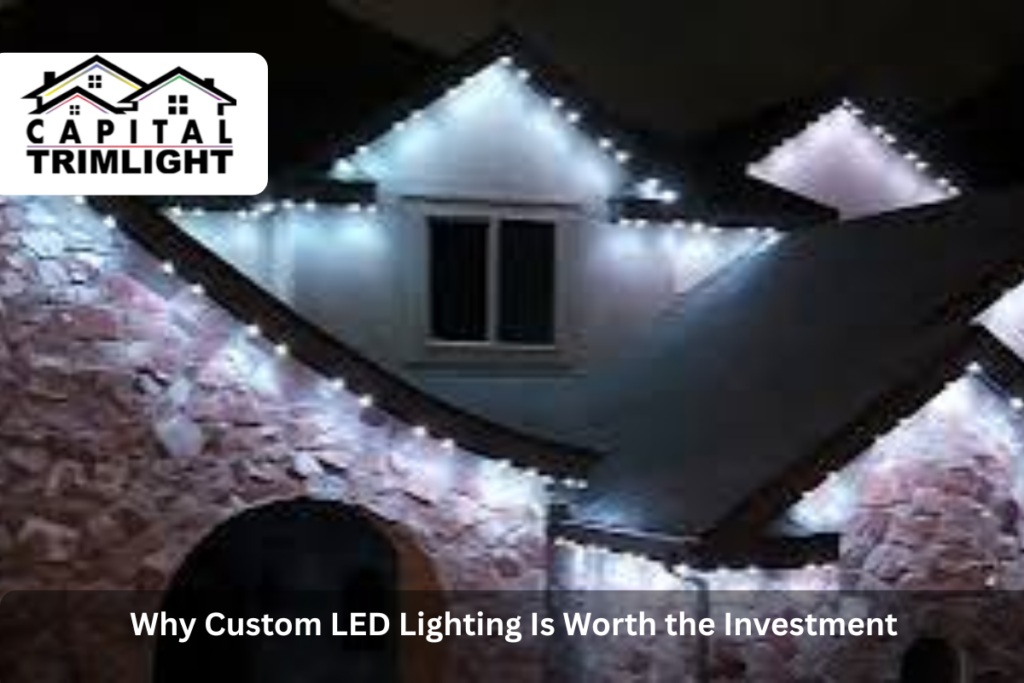
Winter can make a home look different from the rest of the year. Trees may lose their leaves, gardens may become less colorful, and shorter days leave many homes in darkness earlier. This can make your property look plain from the street. The right outdoor lighting can help change that.
A few well-placed lights can highlight your home’s best features, brighten walkways, and make your entrance more welcoming. Whether you want a simple look or a more detailed lighting setup, outdoor lights can help your home stand out during the colder months.
Key Takeaways
- Outdoor lighting makes your home easier to notice during dark winter evenings.
- Path lights help brighten walkways and entrances.
- Spotlights can highlight trees, walls, and other outdoor features.
- Warm lighting creates a welcoming appearance.
- Weather-rated fixtures are important for winter conditions.
- Timers and smart controls make outdoor lights easier to manage.
Make Your Home More Noticeable on Winter Evenings
Winter days are shorter, which means many people see homes after sunset. Without enough lighting, even a beautiful property may be hard to notice from the road.
Outdoor lighting helps bring attention to your home. Lights placed near the entrance, along the front walkway, or around the garage can make important areas easier to see.
You do not need to light every part of your property. Focus on a few key areas that help create a balanced look. A well-lit entrance and a few lights near the front of the house can make a big difference.
Highlight Your Home’s Best Features
Every home has features that can look better with the right lighting. During winter, outdoor lights can help these details remain visible even when the garden and surrounding areas look less colorful.
Bring Attention to the Front Entrance
Your front door is one of the first things visitors notice. Wall lights beside the door, ceiling lights under a porch, or small fixtures near the steps can make the entrance look warm and inviting.
Choose lights that match the style of your home. A simple wall fixture may suit a modern house, while a traditional lantern can work well with a classic design.
Light Up Trees and Garden Features
Trees, shrubs, stone walls, and garden decorations can still add beauty to your property during winter. Small spotlights placed near trees can show their shape and branches after dark.
You can also use low-level lights to highlight garden borders or other outdoor features. Keep the lighting soft so it adds interest without making the yard look too bright.
Show Off Your Home’s Exterior
Exterior walls, columns, and architectural details can become more noticeable with carefully placed lights. Wall washers can spread light across larger surfaces, while spotlights can focus on a particular feature.
Try to use lighting that creates a balanced effect. Too many bright fixtures may cause glare and take attention away from the home’s design.
Create a Warm and Welcoming Outdoor Look
Cold winter nights can make outdoor spaces feel dark and empty. Warm-colored lighting can help your home feel more welcoming.
Warm white lights are a popular choice for porches, entryways, and outdoor seating areas. They create a soft glow that works well with many home styles.
You can also use different lighting levels to create depth. For example, combine porch lights with smaller path lights and a few accent lights around the garden. This makes the space look more natural than using one strong light source.
Improve Safety Around Walkways and Steps
Winter weather can bring rain, snow, frost, and icy surfaces, depending on where you live. Poor visibility can make these conditions harder to notice.
Outdoor lighting can help people see where they are walking and reduce the risk of trips and falls.
Brighten Paths and Driveways
Path lights can guide visitors from the driveway to the front door. They also help show the edges of walkways and garden paths.
For driveways, consider lights near the entrance, garage, or parking area. Make sure the fixtures provide enough light without shining directly into drivers’ eyes.
Add Lighting Near Stairs and Raised Areas
Steps, ramps, and raised patios need good visibility. Small step lights or wall-mounted fixtures can help show changes in ground level.
Place lights where they provide a clear view of each step. Do not rely only on decorative lighting in areas where people need to walk safely.
Choose Outdoor Lights That Can Handle Winter Weather
Winter lighting needs to do more than look good. Fixtures and electrical connections must be suitable for outdoor conditions.
Rain, snow, ice, and changing temperatures can affect outdoor lighting equipment. Before buying or installing lights, check their weather rating and follow the manufacturer’s instructions.
Check the Fixture’s Weather Rating
Look for outdoor-rated lights with an appropriate IP rating. This rating explains how well a fixture is protected against dust and water.
The right rating depends on where the light will be installed. A fixture under a covered porch may have different needs from one exposed to direct rain or snow.
Protect Wires and Electrical Connections
Outdoor electrical connections should be properly sealed and protected from moisture. Use outdoor-rated cables, connectors, and power supplies.
Avoid leaving loose wires where people can trip over them or where snow and water may collect. If you are unsure about the installation, ask a qualified electrician for help.
Keep Fixtures Clear of Snow and Ice
Snow can cover lights and block the light they produce. Ice may also collect around fixtures during freezing weather.
Check outdoor lights after heavy snowfall and clear away snow carefully. Avoid hitting fixtures or using sharp tools that may damage them.
Use Timers and Smart Controls for Easy Lighting
Outdoor lights do not need to stay on all night. Timers and smart controls can help you manage when they turn on and off.
A timer can switch on your lights around sunset and turn them off at a set time. Smart lighting systems may also let you control brightness and schedules through a phone.
Motion sensors are another useful option for driveways, side entrances, and other areas where light is only needed when someone approaches.
These features can make your lighting setup easier to manage while helping avoid unnecessary energy use.
Keep Your Winter Lighting Simple and Balanced
A common mistake is adding too many lights without a clear plan. This can make the home look uneven and create unwanted glare.
Before installing anything, walk around your property after dark. Notice which areas look too dark and which features deserve more attention.
Choose a few important locations and plan the lighting around them. Use similar color temperatures where possible, hide cables neatly, and avoid pointing bright fixtures toward neighboring homes.
A simple layout often looks better than filling every available space with lights.
Final Thoughts on Winter Outdoor Lighting
Outdoor lighting can help your home look more inviting during the winter months. It brings attention to your entrance, highlights exterior features, and makes paths and steps easier to see after dark.
The best results come from choosing suitable fixtures and placing them with care. Focus on the areas that matter most, protect the equipment from winter weather, and use timers or smart controls to make daily use easier.
With a thoughtful lighting plan, your home can look warm, welcoming, and easy to notice throughout the winter season.
Frequently Asked Questions
What type of outdoor lighting is best for winter?
Weather-rated LED lights are a good option for many outdoor areas. They use less energy than many traditional bulbs and are available in different styles and brightness levels.
Does outdoor lighting improve curb appeal?
Yes. It can highlight your entrance, exterior walls, trees, and walkways. A balanced lighting setup helps your home look more welcoming after sunset.
What color outdoor lighting looks best in winter?
Warm white lighting is a popular choice because it creates a soft and welcoming glow. Cool white can also work well for modern homes and certain outdoor features.
Can outdoor lights stay on during snow and rain?
Outdoor-rated fixtures can be used in suitable weather conditions. Always check the product’s weather rating and installation instructions before exposing it to rain or snow.
How can I make my outdoor lighting more energy-efficient?
Choose LED fixtures, use timers or motion sensors, and switch off lights when they are not needed. These steps can help reduce unnecessary electricity use.
Where should I install outdoor lights to improve winter curb appeal?
Start with the front entrance, walkway, driveway, and important exterior features. You can then add accent lights near trees, garden borders, or architectural details.