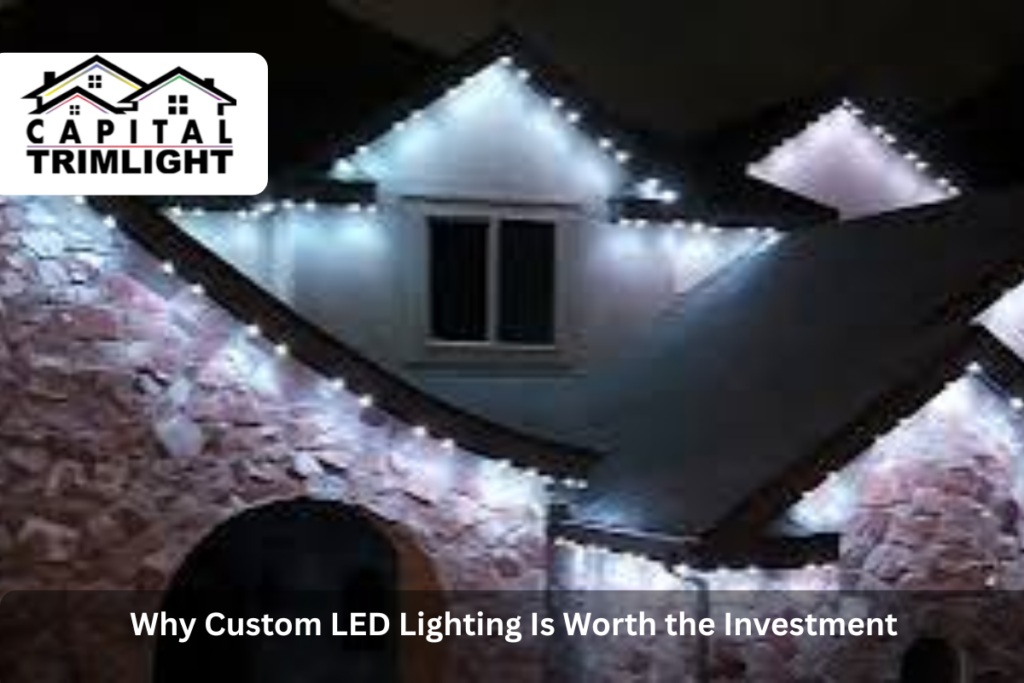
Outdoor LED lighting helps keep your home, garden, pathways, and entrances illuminated during the darker winter months. However, winter conditions such as snowfall, ice, freezing temperatures, and strong winds can affect how well these lights perform. Moisture can enter loose connections, heavy snow may put pressure on wires, and ice can collect around lighting fixtures.
Fortunately, taking a few preventive steps can help protect your outdoor LED lights throughout the colder months. By choosing suitable fixtures, installing them correctly, and performing regular inspections, you can maintain a bright and safe outdoor space during winter.
Key Takeaways
- Select outdoor LED lights designed to withstand moisture and cold temperatures.
- Inspect fixtures, cables, and electrical connections before winter arrives.
- Prevent heavy snow and ice from remaining on lighting fixtures.
- Keep plugs and electrical connections protected from moisture.
- Examine your lighting system after heavy snowfall, ice storms, or strong winds.
- Follow the manufacturer’s maintenance and safety recommendations.
1. Choose LED Lights Made for Outdoor Winter Use
Not all LED lights are designed to withstand challenging outdoor conditions. Some products are intended for indoor spaces or areas with mild weather. When exposed to snow, rain, ice, and freezing temperatures, these lights may become damaged or stop functioning properly.
Before purchasing outdoor LED lighting, review the product specifications carefully. Look for fixtures specifically designed for outdoor installation and suitable for the winter temperatures in your location.
Check the IP Rating
An IP rating indicates how well a lighting fixture is protected against dust and water. When selecting outdoor lights, choose a rating appropriate for the level of weather exposure.
For instance, an IP65-rated fixture provides protection against dust and water jets. However, this rating does not guarantee that a light can withstand every winter condition. It also does not specify the complete operating temperature range or ensure protection from ice-related damage.
Always review the manufacturer’s recommendations before installing lights in areas directly exposed to harsh weather.
Check the Temperature Range
LED lighting generally performs well in cold conditions, but every product has specific operating temperature limits. Before installation, check the manufacturer’s temperature specifications, particularly if your area experiences extremely low temperatures.
Make sure the fixtures, cables, and other electrical components are designed to operate safely under the conditions they will experience outdoors.
2. Seal and Protect Electrical Connections
Moisture is a major concern for outdoor lighting during winter. Melting snow, freezing rain, and ice can reach electrical plugs, connectors, and wire joints. When water enters these areas, it may interrupt lighting performance or create potential electrical hazards.
Keep Connections Away from Wet Areas
Position electrical connections in locations where water is less likely to accumulate. Avoid placing plugs and connectors directly on the ground, as melting snow can collect around them.
Install outdoor-rated connection covers and weatherproof enclosures that are compatible with your lighting system. Ensure every cover is properly fitted according to the manufacturer’s installation guidelines.
Check Cables and Plugs for Damage
Before winter begins, carefully examine cables and plugs for cracks, cuts, loose connections, and damaged insulation. Any wiring showing signs of damage should not be used outdoors.
Avoid using ordinary tape or plastic bags as substitutes for proper electrical protection. Instead, choose products specifically designed for outdoor electrical connections. If you notice damaged or unsafe wiring, arrange for a qualified electrician to repair or replace it.
3. Keep Snow and Ice Away from Light Fixtures
Heavy snowfall can cover outdoor lighting fixtures and affect their performance. Although many outdoor lights are manufactured to withstand rain and snow, excessive accumulation can still cause problems.
Snow may block the light output, add pressure to fixtures, and trap moisture against their surfaces. Ice can also collect around mounting brackets and other installation points, potentially affecting their stability.
Remove Heavy Snow Carefully
After significant snowfall, inspect your outdoor lighting to see whether any fixtures are covered. If snow has accumulated, remove it gently using a soft brush or another cleaning tool recommended by the manufacturer.
Never strike lighting fixtures or use sharp objects to break away frozen ice. These actions can crack protective covers, damage cables, and loosen mounting components.
Do Not Use Hot Water or Direct Heat
Pouring hot water over frozen lighting fixtures can cause sudden temperature changes that may crack glass or damage plastic components. Heat guns and open flames can also harm electrical cables and fixture housings.
Whenever possible, allow ice to melt naturally. If ice makes a fixture unsafe or difficult to access, avoid touching it and seek assistance from a qualified professional.
4. Install Outdoor Lights in Protected Locations
The placement of outdoor lighting can have a significant impact on its condition during winter. Fixtures positioned beneath roof edges, covered porches, or sheltered outdoor areas may receive less direct exposure to snow and ice.
Although sheltered locations offer additional protection, they do not eliminate the need to use properly rated outdoor lighting.
Avoid Areas Where Snow Builds Up
Avoid installing lights in locations where snow regularly slides off the roof or accumulates in large amounts. Falling snow and ice can damage fixtures, while deep snow may completely cover lights installed close to the ground.
When installing garden or pathway lighting, select positions that are less likely to be affected by snowdrifts or snow removal activities.
Secure Fixtures and Cables
Winter winds can pull on loose lighting fixtures and exposed cables, increasing the risk of damage. Make sure all fixtures are securely mounted and that electrical wires are properly arranged without excessive tension.
Use suitable mounting clips and installation accessories. Keep cables away from areas where pedestrians, snow shovels, or snow removal equipment could accidentally damage them.
5. Use Outdoor-Rated Timers and Power Supplies
Timers and power supplies make it easier to control outdoor lighting schedules and manage electricity usage. However, these components also require suitable protection against winter weather.
Never use an indoor timer outdoors unless the manufacturer specifically confirms that it is approved for outdoor installation.
Protect the Power Supply
Check whether transformers, LED drivers, and power supplies are suitable for their intended installation locations. Keep these components away from standing water and areas where snow is likely to accumulate.
Follow the manufacturer’s instructions regarding installation, ventilation, and weather protection. Avoid covering power supplies in ways that restrict airflow or trap excessive heat.
Use Safe Outdoor Power Connections
Connect outdoor lighting to an appropriate outdoor electrical outlet. Ground-fault circuit interrupter (GFCI) protection is particularly important in locations where electrical equipment may come into contact with water.
If a GFCI outlet continues to trip, do not repeatedly reset it without identifying the underlying problem. Contact a qualified electrician to inspect the electrical system and resolve the issue safely.
6. Inspect Your LED Lighting Throughout Winter
Preparing your outdoor lighting before the first snowfall is important, but regular maintenance should continue throughout the winter season. Snowstorms, freezing rain, and strong winds can affect fixtures and electrical connections at different times.
Inspecting your lighting system after severe weather can help identify minor problems before they develop into more serious issues.
Look for These Warning Signs
During your inspections, check for:
- Cracked or damaged light covers.
- Loose fixtures or mounting clips.
- Exposed or damaged electrical wires.
- Water collecting inside lighting housings.
- Flickering lights or fixtures that have stopped working.
- Electrical connectors surrounded by ice or standing water.
Never touch wet electrical components or attempt to repair damaged wiring while the system is powered. If you can safely switch off the power without approaching a hazard, do so. Otherwise, keep your distance and contact a qualified electrician.
Clean Lights When Conditions Are Safe
Outdoor lighting fixtures can collect dirt, road salt, and other debris during winter. When weather conditions are safe and the lights are switched off, clean their surfaces using a soft cloth and the cleaning method recommended by the manufacturer.
Avoid abrasive brushes, harsh cleaning chemicals, and high-pressure water unless the product instructions specifically allow their use.
7. Common Winter Lighting Mistakes to Avoid
Certain installation and maintenance mistakes can reduce the lifespan of outdoor LED lights and increase electrical safety risks.
- Using indoor lights outside: Indoor lighting products may not provide adequate protection against snow, moisture, and changing outdoor temperatures.
- Ignoring damaged cables: Cracked insulation and loose electrical connections can create serious safety concerns.
- Breaking ice with sharp tools: Using sharp objects can damage fixture housings, electrical wires, and mounting components.
- Overloading outlets: Connecting too many lighting strands can lead to electrical problems and unsafe operating conditions.
- Leaving connections in snow: Melting snow can surround plugs and connectors, increasing the risk of moisture entering electrical components.
- Skipping winter inspections: Without regular checks, minor damage may go unnoticed until the lighting system stops working.
Taking a little time to inspect your outdoor lighting and follow proper installation practices can help prevent these common problems.
Final Thoughts on Protecting Outdoor LED Lighting in Winter
Snow, ice, and freezing temperatures can create challenges for outdoor LED lighting, but proper preparation can help your fixtures remain functional throughout the winter season. Start by choosing products designed for outdoor conditions, protecting electrical connections, and installing lights in locations where heavy snow is less likely to cause damage.
Continue inspecting your lighting system after severe weather and address any signs of damage using safe maintenance practices. Most importantly, follow the manufacturer’s instructions and consult a qualified electrician whenever electrical repairs are necessary.
With regular care and proper protection, your outdoor LED lighting can continue keeping your home bright, comfortable, and welcoming throughout the colder months.
Frequently Asked Questions
1. Can outdoor LED lights work in freezing temperatures?
Yes. Many outdoor LED lights are designed to operate in freezing conditions. However, their safe operating temperature range varies by product. Always check the manufacturer’s specifications before installing or using them.
2. Can snow damage outdoor LED lights?
Snow can cover lighting fixtures, place additional pressure on mounting components, and trap moisture around electrical connections. Using outdoor-rated products and carefully removing heavy snow when conditions are safe can help reduce these risks.
3. Should I turn off outdoor LED lights during a snowstorm?
Follow the manufacturer’s safety recommendations for your lighting system. If fixtures, cables, or electrical connections become damaged or unsafe, switch off the power if it is safe to do so and arrange for a professional inspection.
4. How do I protect outdoor LED light connections from water?
Use weatherproof enclosures, outdoor-rated connectors, and suitable protective covers. Keep electrical connections away from standing water and follow the manufacturer’s installation instructions to ensure proper protection.
5. Do outdoor LED lights need winter maintenance?
Yes. Inspect your fixtures, cables, and electrical connections before winter and after severe weather. Carefully remove accumulated snow when safe and check for cracked covers, loose components, and signs of moisture inside the fixtures.