Winter brings shorter days, longer nights, and more time spent indoors. As the sun sets early, the outside of your home can look dark and less welcoming. Permanent Roofline Lighting offers a simple way to keep your home’s exterior bright and attractive throughout the season.
Unlike temporary holiday lights, permanent roofline systems stay in place all year. Most use LED fixtures installed along the edges of the roof. You can use soft white light for everyday evenings and change the colors for holidays, family events, and special occasions.
These lights offer more than a festive appearance. They can make your home easier to see at night, reduce the work of seasonal decorating, and provide a flexible way to light your property during winter.
Key Takeaways
- Permanent roofline lights keep your home bright throughout winter.
- LED fixtures use less electricity than traditional incandescent lights.
- App controls make it easy to change colors and schedules.
- Permanent systems reduce the need to install and remove seasonal lights.
- Weather-rated fixtures are designed for outdoor conditions.
- Roofline lighting can improve the appearance of your home after sunset.
Keep Your Home Looking Beautiful During Long Winter Nights
During winter, many homes spend more hours in darkness. Permanent roofline lighting helps your home maintain an attractive appearance even after the sun goes down.
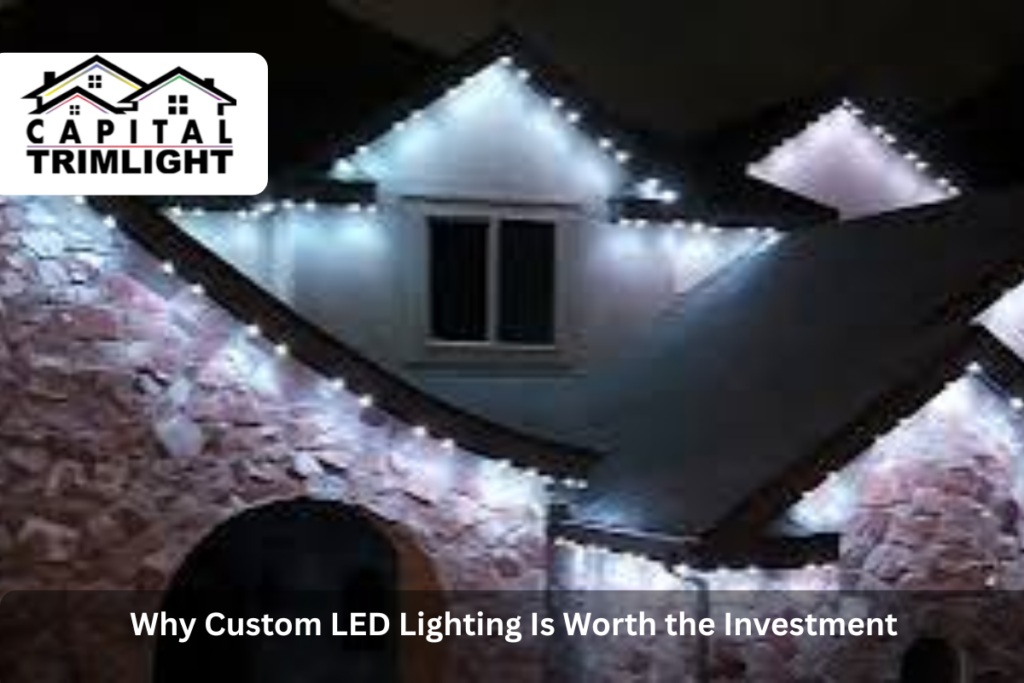
The lights follow the edges of your roof, creating a clear outline that brings attention to the shape of your home. You can choose warm white lighting for a simple everyday look or select different colors when you want something more festive.
This is especially useful during winter evenings when outdoor decorations and garden features may be harder to see. A well-planned lighting system helps your home stand out without making the entire property look overly bright.
Enjoy Holiday Lighting Without Repeating the Same Work Every Year
Putting up holiday lights can take several hours or even days, depending on the size of your home. You may need to untangle wires, check bulbs, attach clips, and climb a ladder to reach the roof.
Permanent roofline lighting removes much of this yearly work. Once the system is installed, it stays in place and can be used for different celebrations.
You can choose red and green for Christmas, warm white for a quiet winter evening, or other colors for birthdays and family events. When the season ends, there is no need to remove the roofline lights and store them away.
This makes permanent lighting a useful option for homeowners who enjoy decorating but want to avoid repeated setup and removal.
Improve Outdoor Visibility Around Your Home
Winter nights can make it harder to see the outside areas of your property. Roofline lighting adds light along the upper edges of your home and can help make its outline easier to see.
This can be useful near:
- Front entrances
- Garage areas
- Driveways
- Porches
- Outdoor seating areas
Permanent roofline lights should not replace dedicated pathway or security lights. However, they can work alongside those fixtures to create a more complete outdoor lighting plan.
For example, roofline lights can outline the front of your home while motion sensor lights brighten the driveway when someone approaches.
H2: Choose the Right Lighting for Every Winter Occasion
One of the main benefits of permanent roofline lighting is the ability to change its appearance whenever you want. Many systems include app-based controls that let you select colors, adjust brightness, and create lighting schedules.
Use Warm White for Everyday Evenings
Warm white lighting creates a soft and welcoming appearance. It works well when you want your home to look attractive without using bright holiday colors.
You can keep this setting throughout the winter and use it to highlight the roofline each evening.
Add Festive Colors for Holidays
Color-changing LED lights make it easy to decorate for Christmas, New Year’s Eve, and other winter celebrations. You can select one color or combine several shades to create a festive display.
Since the lights are already installed, you can change the design through the control system instead of hanging new decorations.
Adjust Brightness for Different Needs
Some permanent lighting systems allow you to dim the lights. This is useful when you want a soft glow rather than full brightness.
A lower setting may suit an ordinary evening, while a brighter display can help your home stand out during a celebration.
Save Electricity With Energy-Efficient LED Technology
Electricity use is another reason many homeowners choose permanent LED lighting. LED lights generally use less energy than traditional incandescent bulbs while providing useful brightness.
This can help reduce electricity use, especially when lights are used regularly during the winter months.
The actual savings depend on the number of fixtures, their wattage, brightness settings, and how long they stay on each day. If you already use LED holiday lights, the difference may be smaller than if you are replacing older incandescent strands.
You can also use timers, schedules, and dimming features to avoid running the lights longer or brighter than needed.
Avoid Climbing Ladders in Cold Winter Weather
Installing temporary lights along a roofline can be difficult and risky. Cold weather, wet surfaces, and icy ground can make ladder work even more dangerous.
With a permanent system, the main roofline installation is completed once. You can then control the lights from a remote or smartphone app without climbing up to change the display.
This is helpful for homeowners who have steep roofs, large homes, or hard-to-reach roof edges.
Professional installation is important because the fixtures, wiring, and mounting tracks need to be secured properly. Once installed, follow the manufacturer’s care instructions and arrange repairs when needed.
Choose Weather-Ready Lights for Winter Conditions
Permanent roofline lighting stays outside throughout the year, so it must be suitable for changing weather. Winter can bring rain, snow, ice, strong winds, and freezing temperatures.
Before choosing a system, check the following features:
- Outdoor rating: Make sure the lights are made for outdoor use.
- Water protection: Check the IP rating to understand how well the fixtures resist water and dust.
- Strong mounting: Tracks and fixtures should be secured according to the manufacturer’s instructions.
- Durable materials: Choose components designed to handle outdoor exposure.
- Temperature range: Check the operating temperature listed by the manufacturer.
- Protected connections: Wiring and electrical connections should be suitable for outdoor conditions.
Do not assume every permanent lighting system can handle heavy snow or ice. Ask the installer about the product’s limits and how it should be cared for in your local climate.
Make Your Home Easier to Recognize After Dark
A roofline lighting system can give your home a clear and consistent appearance at night. It outlines the roof and helps highlight the shape of the building from the street.
This can be especially useful when several homes have similar designs. A simple lighting pattern can help your property stand out without needing large decorations or bright yard displays.
You can also match the roofline lights with porch fixtures, garden lights, and pathway lighting. Using similar light colors can help the whole exterior look balanced.
Use Smart Controls to Manage Winter Lighting
Many permanent roofline systems offer controls through a smartphone app. This makes it easier to manage your lights during busy winter evenings.
Depending on the system, you may be able to:
- Set lights to turn on around sunset.
- Choose a schedule for weekdays and weekends.
- Change colors for special occasions.
- Adjust the brightness on your phone.
- Save lighting scenes for later use.
These features make everyday lighting easier to manage. Before buying, check whether the system works with your phone, home network, and preferred control options.
Final Thoughts
Permanent roofline lighting can make winter evenings more enjoyable by keeping your home’s exterior bright, welcoming, and attractive. It also reduces the yearly work of putting up and taking down temporary lights.
With energy-efficient LEDs, flexible color choices, smart controls, and suitable outdoor protection, you can enjoy useful lighting throughout the season and beyond.
Before choosing a system, consider your roof design, lighting needs, budget, and local winter weather. A well-planned installation can provide a simple way to brighten your home during the darkest months of the year.
FAQs
1. Can permanent roofline lighting stay outside during winter?
Yes. Permanent roofline lighting is designed to remain outdoors, but the fixtures and electrical parts must have suitable weather protection. Always check the manufacturer’s ratings.
2. Does permanent roofline lighting use a lot of electricity?
Most systems use LED technology, which generally consumes less electricity than traditional incandescent lights. Actual use depends on the system’s wattage, brightness, and operating hours.
3. Can I change permanent roofline light colors during winter?
Many systems allow you to change colors through a smartphone app or remote. You can use warm white for everyday lighting and festive colors for holidays.
4. Do permanent roofline lights need to be removed after Christmas?
No. These systems are designed to stay installed throughout the year. You can change their colors and settings instead of removing and storing them.
5. Are permanent roofline lights difficult to maintain?
They usually need less seasonal work than temporary lights, but they still require occasional checks. Follow the manufacturer’s instructions and have damaged fixtures or wiring inspected by a qualified professional.
6. When is the best time to install permanent roofline lighting?
It is helpful to plan installation before winter begins. However, the work can be scheduled at other times of the year when weather and site conditions allow safe installation.