Christmas lights are one of the easiest ways to make a home look festive during the holiday season. From colorful rooflines to sparkling windows and welcoming front porches, outdoor lighting adds warmth and personality to a property. However, homeowners have more options than ever when choosing how to decorate their homes. One of the biggest questions is whether to install permanent Christmas lights or continue using traditional holiday lights every year.
Both options can make a home look beautiful, but they differ in installation, maintenance, convenience, cost, and long-term value. Understanding these differences can help you choose the right lighting solution for your home.
Capital Trimlight helps homeowners and businesses explore permanent outdoor lighting solutions that combine everyday architectural lighting with seasonal decorations. If you are deciding between permanent Christmas lights and traditional holiday lights, this guide will help you compare the two options and make an informed decision.
What Are Permanent Christmas Lights?
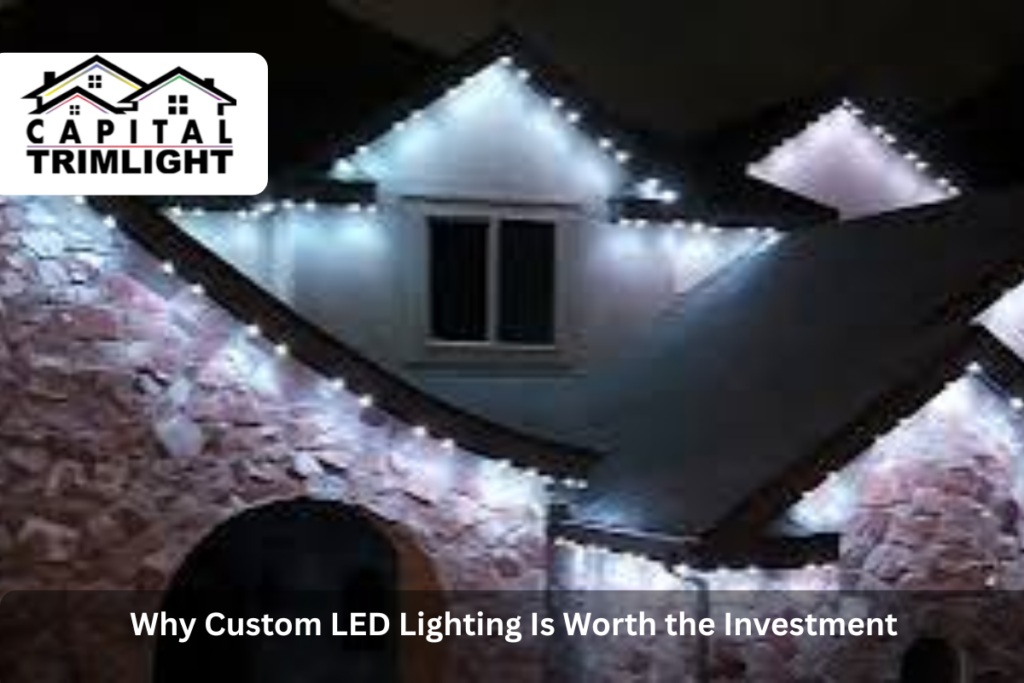
Permanent Christmas lights are outdoor LED lighting systems installed along a home’s roofline, eaves, or other architectural features. Unlike traditional holiday lights, which homeowners typically hang and remove every year, permanent systems remain installed throughout the year.
Many modern systems allow homeowners to control the lights through a smartphone app. Depending on the system, users can select different colors, brightness levels, lighting patterns, and schedules.
For example, you can use warm white lighting to highlight your home’s architecture during ordinary evenings, switch to red and green for Christmas, choose orange for Halloween, or display your favorite colors for birthdays and other celebrations.
Permanent lighting is designed to provide year-round flexibility without requiring homeowners to reinstall their decorations for every holiday.
What Are Traditional Holiday Lights?
Traditional holiday lights are the familiar string lights, icicle lights, net lights, and decorative LED strands used to decorate homes during Christmas and other holidays.
Homeowners typically purchase these lights, hang them along rooflines or railings, and remove them after the holiday season. They can be stored and reused the following year if they remain in good condition.
Traditional lights are available in many styles, colors, and price ranges. They are a popular choice for homeowners who enjoy changing their decorations every year or prefer a simple, seasonal approach to outdoor lighting.
However, setting them up requires time, storage space, and sometimes ladders or professional installation, especially for homes with high rooflines.
Permanent Christmas Lights vs. Traditional Holiday Lights: Key Differences
Let’s compare both lighting options based on the factors that matter most to homeowners.
1. Installation and Convenience
One of the biggest advantages of permanent Christmas lights is convenience. Once the system has been professionally installed, homeowners do not need to hang and remove separate strings of lights every holiday season.
Most app-controlled systems allow users to choose colors and lighting effects from their phones. This makes it easier to decorate the home for Christmas, Independence Day, Halloween, and other occasions.
Traditional holiday lights require more preparation. Homeowners need to inspect their lights, connect the strands, secure them in place, and check that everything works correctly. After the holidays, they must take the lights down and store them until the next season.
For homeowners who value convenience and want to avoid repetitive decorating tasks, permanent lighting may be the better choice.
2. Upfront Cost and Long-Term Value
Traditional holiday lights generally have a lower initial cost. Homeowners can start with a few affordable strands and gradually add more decorations as their budget allows.
Permanent Christmas lights usually require a larger upfront investment because the system involves lighting components, mounting hardware, electrical connections, and installation labor.
However, the initial purchase price does not tell the whole story. Traditional lights may need replacement as strands become damaged, bulbs fail, or styles change. Homeowners may also spend money on installation services if they cannot safely decorate their roofs themselves.
Permanent systems can reduce repeated seasonal setup costs and effort, although they still require maintenance and may eventually need repairs or component replacement.
The better financial choice depends on your budget, how often you decorate, the size of your home, and how long you expect to use the system.
3. Appearance and Design Flexibility
Traditional holiday lights offer plenty of creative possibilities. Homeowners can combine different strands, add illuminated figures, decorate trees, and change their display each year.
This flexibility makes traditional lights appealing to people who enjoy creating a completely different Christmas theme every season.
Permanent lighting systems offer a different type of flexibility. Many systems provide multiple colors, preset effects, and adjustable brightness settings. You can create a simple white roofline display for everyday use and switch to festive colors when the holidays arrive.
Because permanent lights are often mounted discreetly along the roofline, they can also maintain a cleaner appearance when switched off, depending on the product and installation.
If you prefer changing your entire decoration layout every year, traditional lights may suit you better. If you want versatile lighting without repeatedly installing decorations, permanent lights are worth considering.
4. Energy Efficiency
Energy consumption is another important consideration when choosing outdoor Christmas lights.
Traditional incandescent holiday lights generally use more electricity than LED alternatives. LED holiday lights are more energy-efficient and can provide bright illumination while consuming less power.
Permanent Christmas lighting systems commonly use LEDs, which are known for their energy efficiency and long operating life. However, actual energy consumption depends on the number of lights installed, brightness settings, colors, and hours of operation.
For either option, you can manage energy use by choosing LED products, using timers, and switching off the lights when they are not needed.
If reducing electricity consumption is a priority, compare the wattage of the systems you are considering rather than assuming that every permanent lighting system will use less electricity than every traditional option.
5. Maintenance and Durability
Traditional holiday lights are exposed to rain, wind, temperature changes, and other outdoor conditions. Their wires and connections may become damaged during installation, storage, or use. Before decorating each year, homeowners should check for frayed wires, cracked sockets, and other signs of wear.
Permanent outdoor lighting is designed to remain installed throughout the year, so product quality and weather resistance are particularly important. Look for systems with suitable outdoor ratings, durable mounting components, and clear warranty terms.
Permanent lighting is not maintenance-free. Individual components may fail, wiring or connections may need attention, and weather or installation issues can affect performance.
Professional installation can help ensure the system is properly mounted and configured. Following the manufacturer’s maintenance recommendations can also help extend its useful life.
6. Safety During Installation
Installing Christmas lights on high rooflines can involve climbing ladders, reaching over roof edges, and working near electrical connections. These tasks can create a risk of falls and other injuries.
Traditional holiday lights often require homeowners to repeat these activities every year. Hiring a professional can reduce the need to handle difficult installations yourself.
Permanent lighting systems can reduce repeated ladder use because the lights stay installed. However, the initial installation still needs to be completed safely, and future repairs may require professional assistance.
For both options, use products rated for outdoor conditions, follow electrical safety instructions, and avoid overloading circuits. If your roofline is steep, high, or difficult to access, consider hiring a qualified installer.
7. Year-Round Use Beyond Christmas
Traditional holiday lights are usually designed for seasonal decorations. While some strands can be used for other celebrations, they may not offer the same range of colors, effects, and everyday lighting functions as a dedicated permanent system.
Permanent LED lighting can serve multiple purposes throughout the year. Depending on the system, homeowners may use it for:
- Christmas and other seasonal celebrations.
- Birthday parties and family gatherings.
- Independence Day and other special occasions.
- Warm white architectural lighting.
- Decorative roofline lighting for everyday evenings.
This versatility makes permanent lighting appealing to homeowners who want more than a few weeks of holiday decoration.
Which Option Is Better for Your Home?
The right choice depends on your lifestyle, budget, and decorating preferences.
Choose traditional holiday lights if:
- You want a low upfront cost.
- You enjoy creating a different display each Christmas.
- You decorate only during the holiday season.
- You prefer buying and installing decorations gradually.
- You do not mind storing lights and reinstalling them annually.
Choose permanent Christmas lights if:
- You want to avoid hanging and removing lights every year.
- You prefer app-controlled colors and lighting patterns.
- You want to use the same system for multiple occasions.
- You value a consistent roofline lighting design.
- You plan to use the system for several years.
Before making a decision, consider the size of your property, the appearance of the lights during daylight, available installation options, warranty coverage, and the total cost of ownership.
Why Homeowners Are Considering Permanent Outdoor Lighting
Permanent outdoor lighting has become an appealing option for homeowners who want a combination of convenience and visual appeal. Instead of treating outdoor lighting as a once-a-year project, homeowners can use it to highlight their home’s architectural features throughout the year.
A well-designed roofline lighting system can complement the exterior of a house, create a welcoming atmosphere, and make seasonal decorating easier.
For homeowners in Northern Virginia and surrounding areas, Capital Trimlight offers a starting point for exploring permanent lighting options that suit different properties and design preferences.
When comparing systems, ask about color options, app controls, installation methods, weather resistance, maintenance requirements, and warranty coverage. These details can help you understand what you are paying for and whether the system meets your expectations.
Frequently Asked Questions
Are permanent Christmas lights worth the investment?
Permanent Christmas lights may be worth the investment if you decorate frequently, want year-round lighting options, and prefer to avoid installing and removing lights every season. Homeowners who decorate only occasionally may find traditional LED lights more economical.
Do permanent Christmas lights stay on the house all year?
Yes. Permanent lighting systems are designed to remain installed throughout the year. Many systems can be switched off when not in use or configured for subtle everyday lighting, depending on their features.
Do permanent LED lights use a lot of electricity?
LED systems generally consume less electricity than comparable incandescent lighting. Actual consumption depends on the system’s wattage, brightness, colors, and daily operating time.
Can permanent Christmas lights be used for other holidays?
Many app-controlled permanent systems support multiple colors and lighting effects,