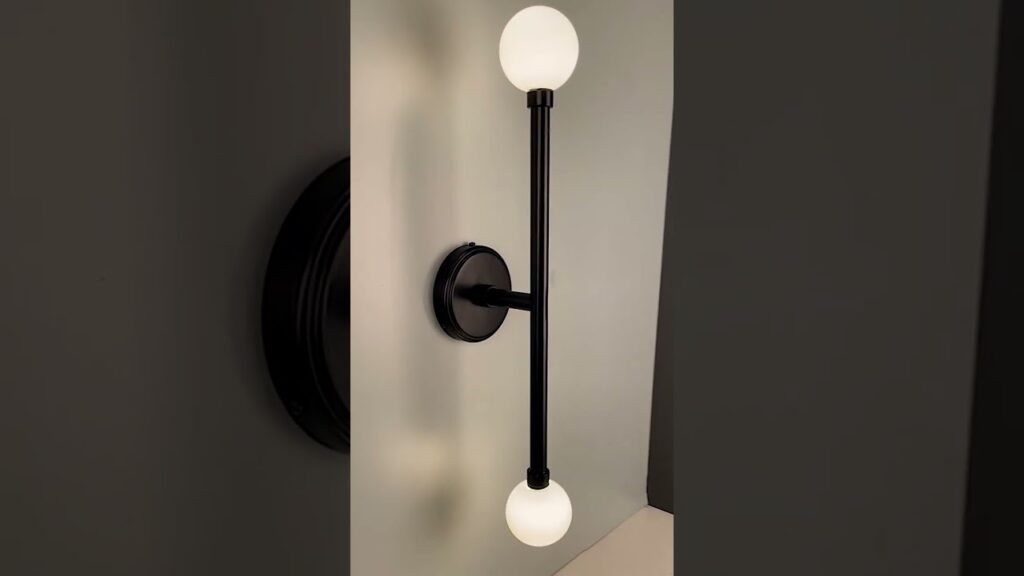
From the cozy gleam in your living room to the glowing lights illuminating megacity streets, lighting has come a long way from the simple on/off switch. Smart lighting is no longer a futuristic luxury; it has become a must-have in homes, businesses, and even public spaces.
This revolution isn’t just about convenience; it’s about energy efficiency, personalization, and a seamless blend between technology and lifestyle. Whether you’re a homeowner upgrading to app-controlled lighting, a business owner seeking automated lighting solutions, or just someone fascinated by IoT lighting technology, the shift toward smart illumination is undeniable.
Let’s explore the key trends driving this global lighting evolution and how they’re shaping the way we live, work, and interact with our surroundings.
The Rise of Intelligent Lighting Systems
Once upon a time, lighting was static; you turned it on when needed and switched it off when done. But intelligent lighting systems have changed that story. These systems adapt to your life, adjusting brightness, color temperature, and even scheduling based on your habits and needs.
In homes, smart lighting isn’t just functional, it’s mood-setting. Imagine your kitchen lights automatically brightening for your morning coffee ritual or dimming during a romantic dinner without you lifting a finger. Businesses are also using these systems to boost productivity and reduce operational costs, making smart lighting a win-win for efficiency and ambiance.
Wireless Lighting Control Freedom Without the Cables
Forget running wires through walls; wireless lighting control is a game-changer. Using Wi-Fi, Bluetooth, or Zigbee, you can control your lights from anywhere in the world through your smartphone or voice assistants.
Homeowners love the flexibility of managing lights remotely, especially when traveling. You can make it seem like someone’s home. Pair this with security lighting strategies like motion-sensor floodlights to enhance safety. Businesses also benefit from wireless controls, as they can centralize lighting management for multiple locations without expensive rewiring.
Automated Lighting Solutions for Everyday Life
Automated lighting takes convenience to the next level. Motion detectors in hallways, daylight harvesting in offices, and programmable schedules for outdoor spaces are just the beginning.
For example, pairing automated lights with holiday lighting can create stunning seasonal displays that require minimal manual adjustments. Plus, automation reduces unnecessary energy use, aligning perfectly with global sustainability goals.
App-Controlled Lighting and Personalization
Lighting is no longer one-size-fits-all. With app-controlled lighting, users can adjust brightness, color, and effects in real time from their devices. Hosting a movie night? Switch to warm, low lighting. Throwing a pool party? Use vibrant colors with poolside lighting to set the mood.
The personalization aspect is huge; your lighting becomes an extension of your personality. And for businesses, app controls make it easy to adapt spaces for events, promotions, or customer experiences.
IoT Lighting Technology Connecting the World
The Internet of Things (IoT) isn’t just for smart thermostats or security cameras; it’s transforming lighting too. IoT lighting technology enables systems to “talk” to each other, integrating with HVAC, alarms, and even city infrastructure.
Think about streetlights that dim when no one is around, saving energy, then brighten when they detect movement. Or stadiums with game-day lighting that syncs with event schedules. This connectivity boosts efficiency, safety, and user experience on a massive scale.
Energy-Efficient Smart Bulbs Changing the Game
Gone are the days when energy efficiency meant sacrificing brightness. Energy-efficient smart bulbs deliver powerful illumination with only a fraction of the energy consumption, and they last years longer than traditional bulbs.
Combine these with wireless lighting control or intelligent systems, and you get a solution that’s both eco-friendly and cost-effective. Businesses and homeowners alike are turning to these bulbs to cut down on utility bills while still enjoying top-tier lighting performance.
Smart Lighting for Outdoor and Specialty Spaces
Smart lighting isn’t limited to indoors. Outdoor spaces, from patios to stadiums, are benefiting from the same tech leaps. With yard lighting that adjusts to sunset times or pathway lights that activate when someone approaches, the possibilities are endless.
Specialty spaces like pools, gardens, and commercial courtyards are using app-controlled lighting to create immersive experiences. This blend of function and aesthetics is transforming how we enjoy and use outdoor areas.
How Smart Lighting is Reshaping the Global Market
The global lighting industry is experiencing unprecedented growth, with billions being invested in smart solutions. Reports show that the market for smart home lighting and IoT lighting technology is projected to surge over the next decade.
This shift is driven by urbanization, sustainability initiatives, and consumer demand for convenience. Countries worldwide are updating regulations to encourage energy-efficient lighting, accelerating adoption even faster.
Final Thoughts
Smart lighting is more than just a trend; it’s the future of illumination. By blending intelligent lighting systems, wireless control, and energy-efficient smart bulbs, we’re not only enhancing daily life but also contributing to a more sustainable planet.
As technology continues to evolve, expect even more seamless integrations, personalization, and energy-saving features. Whether you’re a homeowner, business leader, or city planner, embracing smart lighting today means stepping into a brighter, more connected tomorrow.
FAQs
Q1. Are smart lighting systems hard to install?
Most modern smart lighting options are designed for easy installation, with many being plug-and-play. Wireless solutions make setup even simpler.
Q2. Will smart lighting save me money on energy bills?
Absolutely. With energy-efficient smart bulbs and automation, you can significantly cut energy use without sacrificing quality.
Q3. Can smart lighting work without Wi-Fi?
Yes. Many systems use Bluetooth or Zigbee for local control. However, remote features usually require internet connectivity.
Q4. How secure is IoT lighting technology?
Most reputable brands include robust encryption and regular security updates. Always choose devices from trusted manufacturers.
Q5. Can I integrate smart lighting with my existing décor?
Certainly. From accent lighting to ceiling fixtures, smart solutions come in countless designs to match any style.